In her TED Talk, Jane McGonigal addresses the promises within games to improve, and even lengthen, people’s lives. She starts out her TED Talk addressing the five main regrets that individuals express when they are “on their deathbeds”:
“Number one: I wish I hadn’t worked so hard.”
“Number two: I wish I had stayed in touch with my friends.”
“Number three: I wish I had let myself be happier.”
“Number four: I wish I’d had the courage to express my true self.”
“Number five: I wish I’d lived a life true to my dreams, instead of what others expected of me.”
She then compares these regrets to the sentiments of individuals who have experienced “port-traumatic growth”: a positive outcome and phenomenon experienced by individuals who have suffered trauma. In contrast to the more widely-known post-traumatic stress disorder, post-traumatic growth occurs when individuals are able to utilize their traumatic experiences as a launching point into renewed purpose, goals, senses of self, and/or positive outlooks on life. As McGonigal reveals, these benefits are not exclusive conditions to overcoming trauma; instead, they are built on four foundations forms of resilience that individuals can access without ever having to endure a traumatic event. These foundations include “physical resilience, mental resilience, emotional resilience, and social resilience” (McGonigal). These types of resilience are not complicated nor complex to build. As McGonigal demonstrates, raising your arms is a type of physical resilience; snapping your fingers a specific number of times is a type of mental resilience; looking at pictures or out a window are types of emotional resilience; and communicating with a loved one is a type of social resilience. McGonigal concludes with the scientifically-backed proclamation that building these four resiliences, staying relatively active, and counterbalancing negativity with positivity will add ten years to an individual’s life. Maintaining this positive momentum, both mentally and longitudinally, will eventually compound itself to not only a longer life, but a happier and more fulfilling journey.
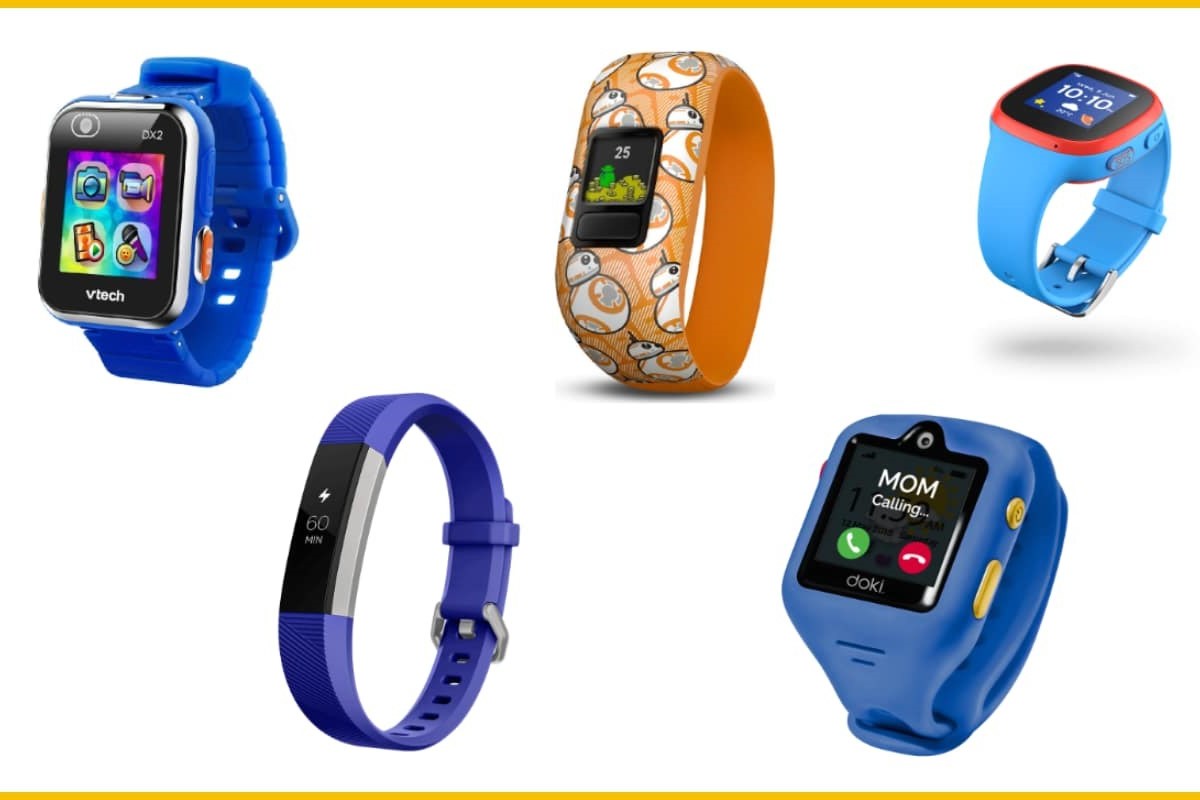
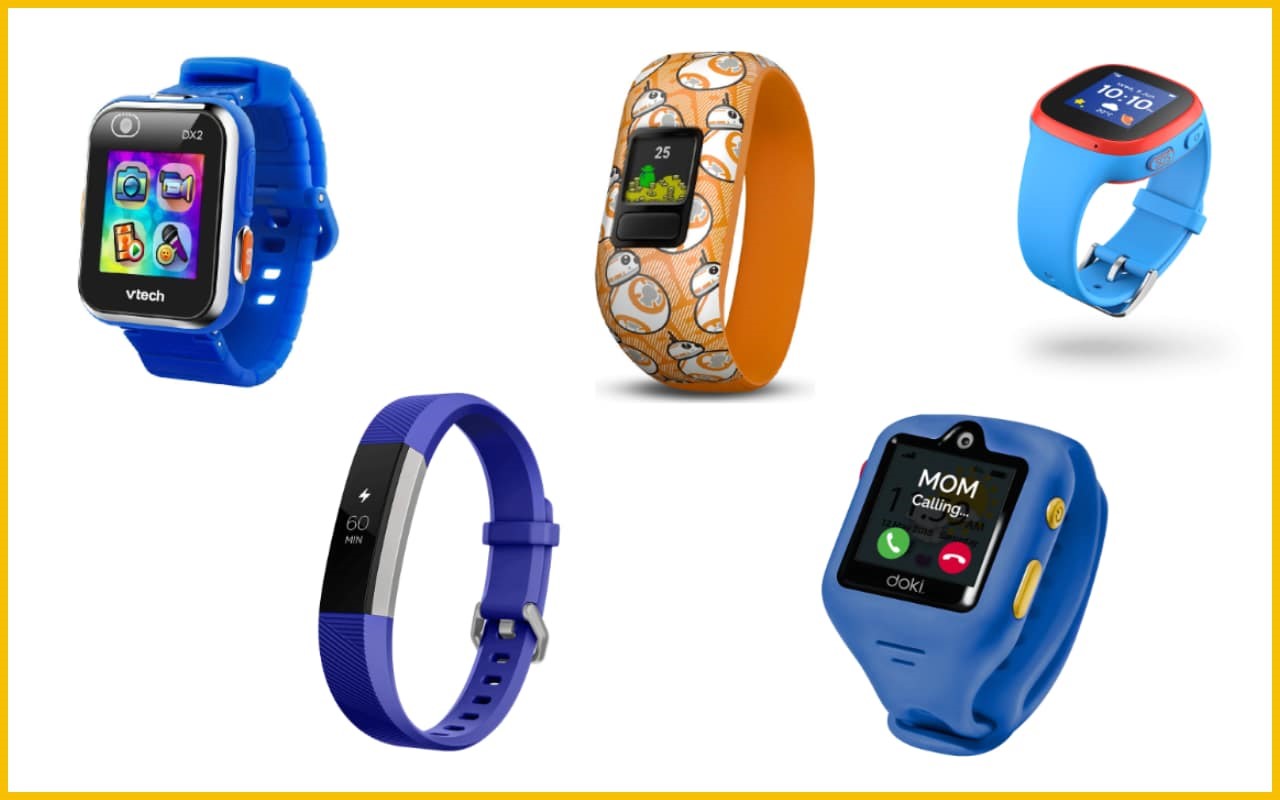
Schaefer, Carter Ching, Breen, and German’s study uses physical activity monitoring technology (in this case, a Fitbit) with young children in an effort to investigate the relationship between youth, activity, and personal health data. In their so-called “Project GETUP (Gaming to Educate Teens to Understand Personal Health)” (Schaefer et al. 9), the researchers sought to study this relationship in two contexts: primarily, as is expressed in this article, the team investigated the applicability and success of the monitoring devices themselves in relation to the students and the community. The second, more long-term, and more broad goal of the project is to eventually incorporate the data collected from the activity trackers into a game module, translating incoming data into operations in the game. Through this preliminary phase, the research team collected both quantitative and qualitative data that reflected students’ physical activity, engagement with the device, motivators, and overall sentiments when interacting with the Fitbit. The quantitative data surrounding the children’s activity levels reflect an intriguing phenomenon: in what researchers describe as “initial reactivity”, students show increases in both activity and data syncing when members of the research team are present or during early trial runs of the gaming component. When the team is not present frequently and the Fitbit becomes more of a routine existence, students’ activity levels and recollection to sync their data falls. This is closely related to the motivation factors the researchers discuss later during their description of the qualitative data: “motivator[s] for using the Fitbit included competing with friends and peers, engaging the real-time feedback, or ‘making the flower grow’ and ‘showing off’ the new technology” (14). Overwhelmingly, however, researchers found a small amount of regular student engagement with the Fitbit. This could be due to a lack of access to technology outside of the classroom, the children’s emerging cognitive development, fear of losing or breaking the technology, and an overall lesser incentive for interacting with the device. Overall, this study showed that incorporating fitness-promoting technology into the lives of youth is a complex and dynamic process, within which facilitators must account for and adapt to a multitude of demands.
As a child, I did not have any experience with wearable technology, nor did I participate in physical afterschool programs. My friends and I would play together after school, but never in a program through the YMCA or DASH. I did not own a piece of wearable technology until I bought my Apple Watch this past November. Even then, I did not buy the watch for the physical activity features; though they are nice to have, I like the idea of not having my phone with me all of the time, but still being able to receive notifications. The one monitoring capability of my Apple Watch that I am very thankful for is the heart rate sensor. Both sides of my family have histories of problems and I have a naturally high heart rate; having my watch monitor my heart rate and notify me if it is abnormally high is quite helpful and reassuring. Not only that, but this specific model has an EKG feature. I am not exactly sure how the watch is able to measure electrical signals through the wrist and pad of the finger; I am much more used to the classic EKG machines and leads at the cardiologist’s office. What I like the most about the watch EKG is simply the ability to visualize my heartbeat. When I am feeling anxious or rattled, I sit and run multiple EKG reports to re-center and re-ground myself. Accurate readings require me to sit still, breathe consistently, and pay attention only to the screen. This forces me to ignore whatever was previously overwhelming me and only focus on coming back to a stable state. In this way, I do not really use the physical fitness features of wearable technology, but instead use a variety of the features to enhance my mental space and fitness.
A question I would pose to the class would be the following: what are your thoughts regarding wearable technology and young children? Does technology supplement or encourage their play, or should outside physical activity be completely tech-free?
 Emily's Blog